
Jiu Jitsu is one of the rare activities you can start at almost any age and still gain strength, confidence, and real community.
If you have been looking for a workout that keeps your mind engaged and your body moving, Jiu Jitsu checks a lot of boxes. It blends fitness, problem-solving, and skill development in a way that feels more like learning than grinding through another routine. And in a place like Green Brook, where many of us juggle family schedules, work stress, and too much sitting, that matters.
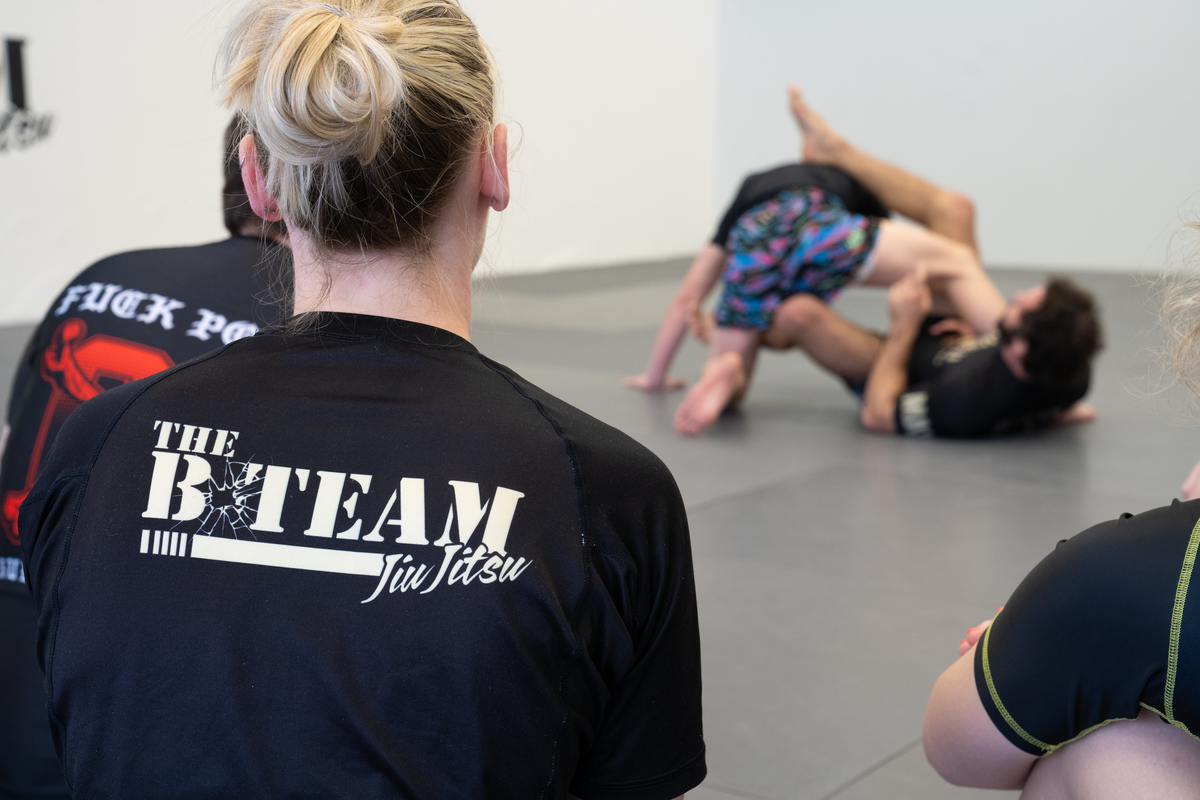
We also see something that surprises beginners: the social side becomes a big reason people stay. Research on Brazilian Jiu-Jitsu consistently shows strong community bonding, and in practice, it looks simple: you train together, you improve together, and you end up rooting for each other.
Why Jiu Jitsu works for lifelong fitness (not just short-term goals)
A lot of fitness plans break down because they are either too repetitive or too punishing on the joints. Jiu Jitsu is different because your progress is tied to technique and timing, not just raw intensity. You can train hard, but you can also train smart, adjust pace, and still leave class feeling like you did something meaningful.
From a health perspective, grappling develops multiple areas at once: cardiovascular conditioning, muscular endurance, mobility, and coordination. Studies on BJJ point to improved strength, flexibility, and overall fitness across age groups, and that lines up with what we see on the mats week after week. You might come in for “getting in shape,” and then realize your balance is better, your posture is better, and your shoulders and hips move more freely.
The mental health side: stress relief you can measure
Many people first show up because they want fitness or self-defense, but they keep training because their mind feels better. That is not just a vibe. Surveys and studies report meaningful reductions in anxiety, depression, and PTSD symptoms, along with major boosts in mood and confidence. In one set of findings, 87.5 percent of practitioners reported anxiety improvement, 87.6 percent reported increased confidence, and 96.9 percent reported improved mood.
There are a few reasons Jiu Jitsu can be so grounding. You have to focus on what is happening right now, not what is waiting in your inbox. You also get a steady stream of small wins: escaping a bad position, remembering a grip sequence, lasting longer in a round without panicking. Over time, that builds self-efficacy, resilience, and a calmer relationship with challenge.
Friendship and belonging: the “hidden” benefit that changes everything
One of the strongest themes in recent BJJ research is social connection. In at least one study, 100 percent of participants reported community bonding. That is a big number, and yet it makes sense. You cannot fake partner training. You learn to communicate, to respect boundaries, and to take care of each other so everyone can improve.
In Green Brook, NJ, that matters in a very real way. Busy schedules can isolate people, and post-pandemic habits have not exactly helped. When you show up consistently, you start recognizing faces, learning names, and building friendships that extend beyond small talk. The mats create a shared project, and that shared project builds trust.
Jiu Jitsu for kids: confidence, focus, and better choices under pressure
Youth training is not just “adult class but smaller.” The best youth environment is structured, encouraging, and consistent about expectations. Our youth curriculum prioritizes fundamental movement, positional safety, and respectful partner habits, because those are the building blocks that let kids grow without unnecessary risk.
Parents often tell us the changes show up at home first. Kids become more coachable, more patient, and less reactive. Research on youth BJJ programs supports this, highlighting improvements in emotional symptoms and hyperactivity after a training cycle, along with life-skill development like commitment and mental flexibility.
If you are specifically searching for Youth Jiu Jitsu in Green Brook, NJ, it helps to look for a program that treats character as part of the curriculum. We build discipline through repetition, but we keep the tone positive so kids want to return and keep learning.
What kids actually practice in a good youth class
Here is what we emphasize so your child gains skill and confidence without feeling overwhelmed:
• Safe movement skills like breakfalls, base, and posture to reduce fear and improve body control
• Positional basics such as mount, guard, and side control so kids understand where they are and what to do next
• Simple escapes and reversals that teach persistence and problem-solving under pressure
• Partner etiquette including tapping, listening, and controlled intensity so everyone trains safely
• Age-appropriate sparring games that build timing and confidence while keeping the environment supportive
Jiu Jitsu for teens: a healthy outlet that builds identity
Teen years are intense. School pressure, social pressure, and constant stimulation can leave very little space to breathe. Jiu Jitsu gives teens a place where effort is real, progress is visible, and confidence is earned. That matters because confidence that comes from skill tends to be steadier than confidence that comes from approval.
There is also an underrated benefit: training teaches emotional regulation. You learn how to stay calm in an uncomfortable position, how to try again after a mistake, and how to reset quickly. Researchers have pointed to resilience-building effects, aggression-mitigating outcomes, and the role of social climate in mental health improvements. In plain language, the room you train in shapes the person you become.
Jiu Jitsu for adults: strength, mobility, and a smarter kind of conditioning
Adults often worry they are “too out of shape” to start. The truth is that beginner training is designed to teach you how to move efficiently before you move intensely. If you are in your 30s, 40s, or 50s and you want training that improves mobility and real-world fitness, this is a strong option.
Because grappling uses leverage and angles, you can scale intensity while still learning. Some days you push conditioning, other days you focus on technique. Over months, your endurance improves, your grip strength improves, and your ability to handle physical stress improves too. You might also notice sleep quality and mood shifting in a good direction, especially if training becomes part of your weekly rhythm.
Jiu Jitsu for seniors and older beginners: low impact does not mean low value
Not every activity respects aging joints. Jiu Jitsu can, when it is taught responsibly and trained with the right intensity. We can modify rounds, prioritize positional control, and emphasize mobility and technical problem-solving over speed. The goal is not to “win practice.” The goal is to train in a way that supports long-term health.
Many older students enjoy that the learning curve stays interesting. You are not just repeating the same movement forever. You are learning layers, patterns, and responses, which keeps the brain engaged while the body stays active.
Safety and suitability: how we keep training realistic and responsible
Safety is not about eliminating challenge, it is about managing it. A good culture makes tapping normal, encourages communication, and respects different bodies and goals. We take that seriously because it is what allows people to train for years, not weeks.
A few practical factors make Jiu Jitsu especially workable for all ages:
• You can adjust intensity without changing the art, because technique still applies at every pace
• Training partners can cooperate during drilling and gradually increase resistance over time
• Tapping provides a clear stop signal, which helps prevent ego-driven mistakes
• Mobility and warm-ups prepare joints and muscles for the specific demands of grappling
• Coaching can guide you toward positions that fit your body and current fitness level
What to expect when you start Jiu Jitsu in Green Brook, NJ
Starting is usually less intimidating than people imagine. Most beginners struggle with the same things: remembering names of positions, understanding grips, and staying calm. That is normal. The early goal is to build a basic map of what is happening, then start making small decisions with confidence.
We recommend you focus on consistency, not perfection. If you train a couple times per week, you tend to feel the mental benefits quickly, often within a few weeks, and the physical changes build over months. Research also suggests that sustained practice correlates with stronger mental health outcomes, with higher belt ranks showing improved grit, self-control, and fewer mental health disorders compared to early-stage practitioners.
A simple timeline we see for beginners
Progress is not identical for everyone, but this general pattern is common:
1. Weeks 1 to 2: You learn the class flow, basic positions, and how to breathe and tap early
2. Weeks 3 to 6: You start recognizing patterns and feel clear mood and stress relief benefits
3. Months 2 to 4: Your conditioning improves, movements feel smoother, and confidence rises
4. Months 5 and beyond: You develop a personal style, stronger friendships, and long-term momentum
Practical details: gear, scheduling, and making it fit real life
You do not need a complicated setup to begin. Most new students start with simple athletic clothing for no-gi or a borrowed or provided gi option depending on the program. The bigger focus is learning how to move safely and how to train with control.
Our class schedule is built for families and working adults in Green Brook. You can check the class schedule page to see current times, and you will typically find youth classes on weekday evenings and all-ages options on Saturday mornings. If you are coordinating siblings, school activities, or commuting, that structure makes training more realistic to maintain.
Take the Next Step
If you want a practice that supports your body, steadies your mind, and helps you build real friendships, Jiu Jitsu is hard to beat. The training stays interesting because you keep learning, but it stays approachable because we can scale intensity to your age, your fitness, and your goals.
When you are ready, we would love to help you start at All in Jiu-Jitsu in Green Brook, NJ with a clear plan, a welcoming culture, and coaching that respects where you are today while still challenging you to grow.
Turn what you learned here into hands-on training by joining a Jiu-Jitsu class at All in Jiu-Jitsu.